
When people ask “what does settlement mean in a truck accident case,” what they’re really asking is this:
“How do I get paid without going through a brutal, multi-year lawsuit?”
A settlement is a legally binding agreement where the trucking company, its insurer, or another responsible party agrees to pay money to the injured victim in exchange for closing the case—no trial, no jury, no courtroom fight.
Once you settle, the case is over forever. No second chances. No going back.
That’s why truck accident settlements are high-stakes and aggressively contested.
Why Truck Accident Settlements Are Different From Car Crashes
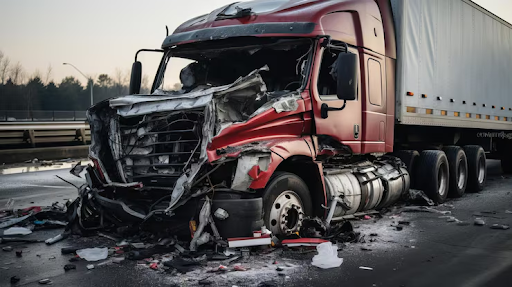
Truck accidents are not “bigger car accidents.” They are corporate liability cases involving:
Federal trucking regulations
Commercial insurance policies worth millions
Multiple liable parties
Company safety records
Black box data
Driver logs
Maintenance histories
A truck accident settlement may involve:
The truck driver
The trucking company
A freight broker
A maintenance contractor
A truck manufacturer
Each one is trying to dump liability onto the others so they don’t have to pay you.
That complexity is why settlements in truck cases are larger—but also why insurers fight them harder.
How a Truck Accident Settlement Actually Works
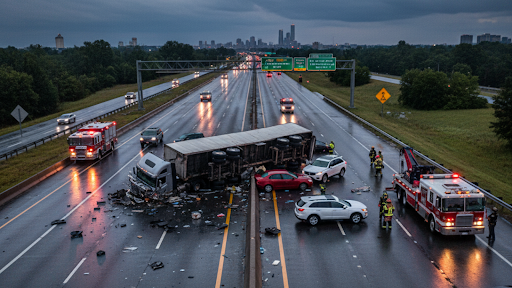
Here is what happens in the real world after a Florida truck crash.
Step 1: Investigation
Before settlement discussions can even begin, evidence must be preserved and collected:
Police crash report
Black box data (speed, braking, steering)
Driver logbooks
Drug & alcohol test results
Dash cams
Truck maintenance records
Witness statements
This evidence determines who pays.
Without it, you get lowballed.
Step 2: Demand Package
Your attorney sends the trucking company’s insurer a formal demand that includes:
Medical records
Future treatment projections
Wage loss
Pain and suffering
Evidence of fault
Legal arguments
This is the opening number.
If you don’t come in strong here, you get buried later.
Step 3: Negotiation
The insurance company responds with an offer.
That offer is almost always:
Delayed
Insultingly low
Designed to scare you into quick money
Your lawyer counters.
They counter back.
This continues until either:
A number is agreed to
Or the case moves to trial
Most truck accident cases settle — but only after pressure.
What You Give Up When You Accept a Settlement
Once you sign a settlement release:
You give up the right to:
Sue later
Reopen the claim
Get more money if your condition worsens
Hold anyone else accountable
If you settle too early before all injuries are known, you eat the loss.
That’s why rushed settlements destroy victims.
What Determines the Size of a Truck Accident Settlement?
Truck settlements are based on five real variables:
1. Injury Severity
Broken bones settle.
Brain injuries and spinal damage explode settlement value.
2. Liability Strength
Clear evidence the truck driver or company caused the crash = leverage.
Shared fault = less money.
3. Insurance Coverage
Most trucks carry $750,000 to $5 million in coverage.
That’s the money pool.
4. Evidence Quality
Black box data, violations, fatigued driving, or maintenance failures drive payouts up.
5. Litigation Risk
If the insurance company thinks a jury will punish them, they pay more.
How Long Does a Truck Accident Settlement Take?
Realistic timelines:
Simple cases: 6–12 months
Serious injuries: 12–24 months
Death cases: 18–36 months
Anyone promising “quick settlements” is either lying or planning to undercut you.
Why Insurance Companies Delay Truck Settlements
They stall because:
Injured victims run out of money
Medical bills pile up
Stress forces people to settle cheap
Delay is a strategy.
Pressure breaks people.
Trial vs Settlement: What Actually Pays More?
Trials are risky—but powerful.
Insurers know:
Florida juries punish reckless trucking companies
Bad safety records get exposed
Corporate behavior gets judged
So they often settle right before trial to avoid massive verdicts.
The Bottom Line
A settlement in a truck accident case is not “a payout.”
It is a calculated legal surrender by a trucking company to avoid public exposure and jury punishment.
If you don’t build leverage, you don’t get paid.
And if you settle too soon, you pay the price for the rest of your life.







Write a comment ...