
Florida’s highways are more than just busy—some stretches rank among the most dangerous anywhere in the United States. Instead of sandy beaches and warm weather, many drivers associate these roads with heavy traffic, high-stakes risks, and far too many fatal wrecks.
This blog takes a deep dive into the specific highways that make Florida’s roads so hazardous for trucks and motorists alike.
Florida’s Deadly Highway Landscape
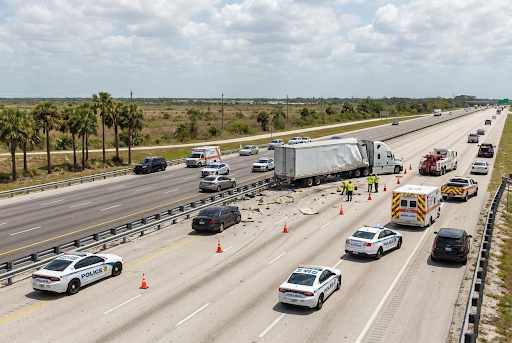
Every year, Florida reports hundreds of thousands of highway accidents, with a significant portion involving large trucks.
According to the latest official data from the Florida Highway Safety and Motor Vehicles (FLHSMV), there were 381,210 traffic crashes statewide in 2024. Tragically, these incidents resulted in 3,184 traffic fatalities, and a large share of these deadly crashes occurred in urban locations such as Miami, Tampa, and Jacksonville.
Florida remains one of the states with the highest number of roadway fatalities nationwide—highlighting the ongoing danger for everyone on the road.
Us-27: Why “Bloody 27” Has Its Name
US-27 runs almost 500 miles from Miami to the Georgia border. Over the years, it earned its grisly nickname, “Bloody 27,” because of an astonishing number of serious crashes, especially on the narrow sections near Lake Okeechobee. Some primary factors behind the dangers on US-27 include:
Narrow, poorly lit stretches create poor visibility
High speeds and frequent passing in rural areas
Distracted or fatigued drivers covering long distances
A mix of commercial trucks and local traffic
Law enforcement and safety advocates often point to distracted driving and speeding as repeat offenders here. Certain segments see a spike in fatal accidents year after year.
I-4: The Interstate With A Fearsome Reputation
Interstate 4, stretching from Tampa to Daytona Beach, has held the title of the most dangerous highway in America. Over six years, reports put the fatality rate at 1.41 deaths per mile, making it exceptionally risky for anyone behind the wheel.
I-4 is notorious for:
Intense congestion, especially around Orlando and Tampa
Rapid changes in weather conditions
Construction zones that change traffic flow
Aggressive lane changes and high-volume tourist traffic
With such a mix of daily commuters, tourists, and long-haul truckers, it’s no surprise that collisions are common on I-4.
Other Major Hazards: I-95, I-75, And Us-41
While US-27 and I-4 get the most attention, several other highways in Florida are nearly as treacherous for drivers and truckers:
I-95: Runs from Miami through Jacksonville, topping recent lists as the deadliest highway in Florida due to extremely high accident totals in densely populated South Florida stretches.
I-75: Extends across Florida and is known for its heavy freight movement and frequent pile-ups, especially in Hillsborough and Collier counties.
US-41: Cuts through Tampa and beyond, logging hundreds of fatal crashes over the last decade.
Each route combines speed, congestion, and a diverse mix of vehicles to create what safety experts call “the perfect storm” for serious wrecks.
What Are The Patterns Behind The Most Dangerous Accidents?
It’s not just the highways themselves—certain patterns make some accidents more likely. In the middle of these troubling trends, you’ll find that truck accident causes have a lot to do with both the physical road environment and driver behavior:
Distracted driving leads the way in triggers, from cellphone use to eating behind the wheel.
Fatigue is common for long-haul truckers, especially on rural stretches of highway.
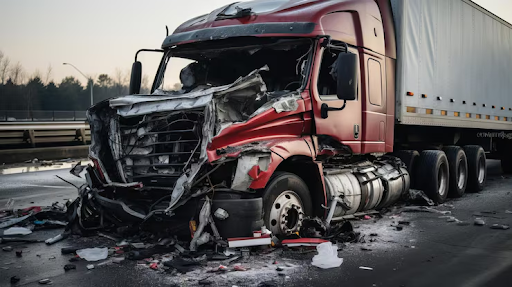
Vehicle maintenance or brake failures cause some of the most severe truck-involved crashes.
Weather shifts, especially heavy rain or fog, make highways like I-4 even more treacherous.
Staying alert and cautious on these stretches can mean the difference between a normal trip and a major tragedy.
Tips For Surviving Florida’s Toughest Roads
If you’re planning a drive or haul across the Sunshine State, experts suggest:
Planning routes in advance to avoid the busiest hours
Keeping a close eye on weather updates
Avoiding distractions at all costs behind the wheel
Making sure your vehicle—especially if it’s a truck—is thoroughly checked and maintained
Being prepared and proactive could save your life—or someone else’s.
Final Thought
Florida’s highways might offer beautiful views and easy access to top destinations, but they also carry real risks. Whether you’re commuting, traveling, or hauling goods, knowing the hazards on highways like US-27, I-4, and I-95 gives you a better shot at arriving safely.
Stay alert, respect speed limits, and help make the roads a safer place for every traveler.








Write a comment ...