
A good candle doesn’t just “smell nice”—it behaves predictably. It should melt evenly, carry scent into the space without feeling harsh, and burn safely over multiple sessions. Size adds another layer: larger jars can last longer, but they also require good burn habits to avoid tunnelling.
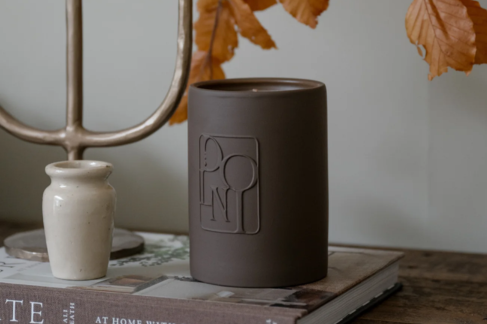
If you’re comparing options, understanding how large scented candles are built and used will help you choose based on performance rather than guesses.
What “scent throw” actually means
Scent throw is the distance and strength of fragrance dispersion.
Cold throw vs hot throw
Cold throw: the scent you notice when the candle is unlit
Hot throw: the scent released while burning
Why hot throw matters more for real use
A candle can smell strong in the jar and still underperform when lit. Hot throw depends on wax, wick type, fragrance load, and burn temperature.
Wax types and how they change the experience
Wax affects burn rate, melt pool behavior, and how fragrance is released.
Common wax characteristics
Some waxes burn slower
Some hold fragrance differently
Some produce a creamier or clearer look in the jar
What you should focus on
Instead of chasing buzzwords, look for a candle that burns evenly, forms a stable melt pool, and maintains consistent scent across multiple burns.
Wick design: the “engine” of a large candle
Large candles often use:
A thicker wick
Multiple wicks
A wick type chosen for the jar diameter
The diameter rule
If the wick setup is too small for the jar, the candle tunnels (burns down the centre). If it’s too strong, it can burn too hot and reduce comfort and safety.
How to choose the right fragrance profile for your space
Match scent families to room function
Living areas: balanced, medium-strength profiles
Bedrooms: softer, calming profiles
Kitchens: fresh or clean notes that don’t clash with food aromas
Consider room size and airflow
A large open-plan space often “eats” scent because air volume is high and airflow disperses fragrance quickly. Smaller rooms can feel overwhelmed by very intense blends.
Burn habits that prevent tunnelling and soot
First burn sets the candle’s future
On the first burn, let the candle melt close to the jar’s edge (a full melt pool). This reduces tunnelling later.
Trim the wick
Trim before each burn to reduce soot and keep the flame stable.
Keep burns in a safe time window
Long burns can overheat the jar, while very short burns can encourage tunnelling. Aim for a controlled session that allows an even melt pool without overheating.
Safety basics people forget
Keep candles away from drafts (they create uneven burning)
Place on a stable, heat-resistant surface
Don’t burn near curtains, books, or shelves overhead
Stop using when wax reaches a low level to avoid overheating the base
Understanding value: burn time and consistency
Large candles are often chosen for longevity, but “long-lasting” should also mean consistent performance across the candle’s life:
Does the scent stay balanced after multiple burns?
Does the candle keep an even burn without constant babysitting?
Does it avoid excess soot and wick “mushrooming”?
What to expect from premium builds
Many people use the phrase Luxury fragrance candles to describe candles that combine clean burn behavior with refined scent blending. In practice, that “luxury” feel usually comes from consistency: stable hot throw, clean flame behavior, and a jar/wick pairing that burns evenly.
Conclusion
Choosing large scented candles gets easier when you evaluate performance fundamentals: hot throw, wax behavior, wick design, and burn routine. Match fragrance intensity to your room size, build a habit of wick trimming, and prioritise even melt pools—especially on the first burn. When those details line up, a large candle becomes a reliable part of the space rather than a “trial-and-error” item.







Write a comment ...